
The Mandalorian and Grogu
2026 · Movie


FBox movies
A film for tonight. A series for the weekend. Search FBox and get straight to the stories.
The evil Empire has fallen, and Imperial warlords remain scattered throughout the galaxy.
2026 · Movie

2026 · Movie
2026 · Movie

2026 · Movie

2026 · Movie

2026 · Movie

2026 · Movie

2026 · Movie

2026 · Movie

2026 · Movie
2026 · Movie

2026 · Movie

2024 · TV Series

2012 · TV Series

2023 · TV Series

1999 · TV Series

2022 · TV Series

2003 · TV Series
2023 · TV Series
1999 · TV Series
2012 · TV Series

2018 · TV Series

2025 · TV Series
2026 · Movie
Browse FBox on Android, iPhone, tablets, and desktop without losing your way around the catalog.
Read guide →Understand FBox address searches and recover from an old movie bookmark.
Read guide →Fix a title search, check a missing page, and understand where movie playback happens.
Read guide →Compare viewing choices for a title, or find another film with a similar appeal.
Read guide →A strange radio transmission. A dinner party that takes an unexpected turn. A man confronting another version of his own life. FBox brings movie and television premises close to the posters, so you can discover what a title is offering before choosing it. Search a name, explore a genre, or compare a film with a series. The next useful step is always attached to the story.
Browse without an FBox account, save titles in My List, and open Watch Now to look for services through JustWatch in your selected country. The catalog brings together movie details, release years, genres, and viewing links. If you are looking for free movies online, FBox TV series, HD streaming, subtitles, or an app for your phone, start with the film or show you want and use the options relevant to that choice.
Open Movies and let a title earn more than a passing glance. Artwork may suggest scale, atmosphere, or a recognizable character, but the overview explains the situation you will follow. A film about a family confined to a house asks different questions from one about a journey across an unfamiliar landscape. Reading those few details helps you choose a particular experience instead of simply choosing the brightest image.
The Dog Stars introduces isolation, a changed world, and a radio signal that sends a man searching for its source. The premise gives you a reason to consider the film without needing an account of every event. If that combination of survival and uncertainty interests you, open the viewing choices when you are ready. A catalog entry can also be saved while you wait for an offer that fits your region.
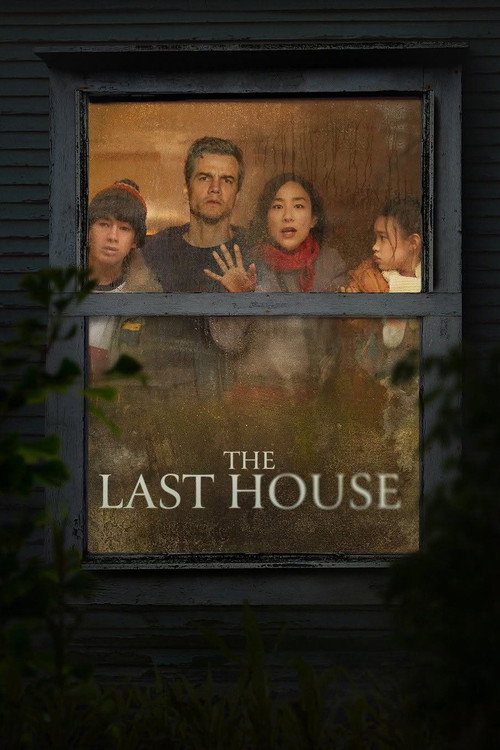
The Last House begins from another kind of confinement, with a family cut off inside its own home. A similar survival label does not make the stories identical. The scale of the setting, the relationships, and the kind of unknown threat all change what a viewer might find appealing. Use the synopsis to notice those differences, particularly when several posters in the same genre look alike.
For recent and upcoming productions, distinguish interest from immediate availability. A release year, poster, or synopsis helps identify the title; it does not establish that the full film is already streaming everywhere. Watch Now is where you inspect the available offers. If the right option has not arrived, saving the title lets you return without having to recover the name from a trailer or discussion later.
Make the film choice around the time and company you have. A suspenseful feature can be absorbing when everyone is ready to follow it, while a lighter film may work better for a relaxed gathering. You do not need to justify the choice with a ranking. A clear premise and an audience that wants that kind of story are strong reasons to begin.
The Crime collection is useful when you want a conflict involving an investigation, a criminal plan, or people caught in the consequences of their decisions. Those are related interests, but they can produce very different films. Some stories move through action, some through uncertainty, and some through people trying to outwit one another. Read the setup before assuming the category tells you the pace.
Just Play Dead introduces competing plans around a staged death and an insurance scheme. The attraction is not merely that a crime is involved, but that the characters' intentions conflict. A premise like this can interest viewers who enjoy watching a plan become less controllable. You can decide whether that appeals without knowing which character eventually gains the upper hand.
Normal begins with a substitute sheriff responding to a bank robbery that exposes more than expected. It offers another route into suspense through a place and a central figure. Compare the premise with a more elaborate ensemble story when choosing. Sometimes the appeal is a tightly focused situation; sometimes it is a network of competing loyalties. Both can belong in crime browsing without feeling like the same evening.
For television, MobLand presents conflict between criminal families. A series has more room to develop relationships and consequences across episodes than a single feature. Confirm that you want the longer format before opening a viewing option. If you are trying to finish a story in one sitting, the movie catalog may be the more useful starting point.
Crime and thriller discussions can reveal too much very quickly. A recommendation that tells you the final reversal may remove the reason you wanted to watch. Keep the introduction brief: the setting, the kind of conflict, and the tone. Return to detailed analysis afterward if you want to compare interpretations. FBox gives you enough title information to choose without making an explanation of the ending part of the browsing process.
Comedy can come from a large adventure, a difficult conversation, a mistaken assumption, or an ordinary event going badly. The Comedy collection offers a place to begin, but the title's premise helps you narrow the choice. A broad comic fantasy and an uncomfortable social comedy may both make people laugh while asking for very different expectations.
The Invite centers on a dinner party involving a couple and their neighbors. That is a recognizable situation, but the tension between the people involved gives it its own direction. If you enjoy stories in which an apparently ordinary evening changes through conversation and unexpected choices, the premise supplies a reason to investigate. It is more helpful than treating “comedy” as a guarantee of a uniformly light mood.
The Drama introduces a couple whose wedding week is disrupted. A familiar life event can become a source of humor, discomfort, or emotional conflict. Read the available details and content information on the viewing service when you are choosing for a group. A romantic setup does not always mean a conventional romantic comedy, just as a title's wording does not establish its tone by itself.
Television comedy offers another kind of familiarity. ted uses an unusual character within a household setting, but the presence of a talking bear does not make it a children's program. Audience guidance matters more than a mascot-like image. Choose the individual production for the people watching rather than assigning it an age group from the artwork.
For a shared comedy, consider whether everyone can comfortably follow the dialogue. Good captions, an appropriate dub, or clear sound can make fast exchanges easier to enjoy. If the film relies on conversation, leaving it as background while several people talk may lose much of its appeal. Select the kind of comedy that suits the gathering, then give its particular style a chance to work.
FBox TV is a common way to look for the television side of the catalog. Open TV Shows to keep series separate from films, or use the TV Series guide when you need help identifying a show and its episodes. The format choice matters because a series page represents a program whose available seasons must be checked with the selected viewing service.
Dark Matter starts with a man taken into an alternate version of his life. Its central question makes it a useful example of why the premise matters more than the category alone. Science fiction can introduce an unfamiliar world while remaining closely tied to relationships and identity. Read the year as well as the name when searching, since similarly named productions can tell different stories.
A series can also offer a recurring setting rather than one continuous mystery. Star Trek: Strange New Worlds introduces exploration through an established crew and ship. You may be drawn to the characters, the adventures, or the larger fictional setting. Those interests provide a better basis for choosing than the assumption that every show in a franchise will suit every viewer equally.
Before beginning, inspect the season selection on the service. One offer may carry only part of a program, or use different labels for specials and split seasons. Identify the episode you intend to play by name and number. A series appearing in FBox does not establish a live episode feed or guarantee that every season is available in every country.
Save the show in My List if you want to return to it. Keep playback position with the viewing service or in your own notes when moving between services. A saved catalog title and a Continue Watching position serve different purposes. Using each for its own job makes it easier to return to the story without guessing which episode you finished.
Animation brings another range of storytelling into FBox. It can be comic, reflective, fantastical, intense, or several of those at once. Do not use the medium as an age rating. Read the individual premise and the viewing service's content guidance when selecting for younger viewers or a mixed audience. Bright artwork can introduce a complicated or mature story.
JoJo's Bizarre Adventure describes conflict extending through generations of a family. A long-running story can organize its episodes into distinct parts, and those parts may be labeled differently from ordinary season numbering. Check the service's published arrangement before starting. A prominent recent installment is not necessarily the introduction intended for someone new to the series.
Frieren: Beyond Journey's End introduces a different relationship with time, beginning after a group's major adventure and following what remains afterward. Its premise can appeal even if your usual fantasy preference is action. An overview can reveal an unexpected reason to try a show, particularly when genre labels have begun to produce only familiar choices.
For a large adventure such as One Piece, identify the production and episode sequence carefully. Films, specials, adaptations, and the main television program can use related names. The catalog's title and first-release year establish which entry you opened, while the service confirms what episodes it carries. Avoid assuming that a collection sorted by date is an intended story order.
Audio preference is worth deciding early in an animated series. Original voice performances, an available dub, and subtitles create different combinations. Tracks may vary across seasons or regions, so check the actual episode before planning a long run. If the language you need is absent, compare another available offer rather than beginning with a version that makes the story difficult to follow.
A documentary or factual series asks a different kind of attention from a fictional thriller. You may be interested in the evidence, the people interviewed, the circumstances around an event, or the way a program explains a complicated subject. Read the description before choosing, and notice whether the production is documentary, dramatization, or fiction inspired by history. Those forms can share a subject without making the same claims about what happened.
Mayday uses reconstructions and discussion of aviation incidents. Its premise can appeal to a viewer interested in how an event is investigated rather than only in the immediate drama. The subject can also be intense. Check the episode description and content guidance when that matters to the people watching, especially if the topic has a personal connection.
A feature such as Pressure introduces a historical decision through dramatic storytelling. A historical setting does not turn every scene into a complete factual account. Enjoying the drama and learning more about the event afterward are compatible interests. Keep the distinction between the film's presentation and a broader historical explanation when discussing it.
For factual programs, captions can be especially helpful with technical terms, place names, and interviews. If you want to pause or revisit a section, use the controls supplied by the selected viewing service. A catalog description establishes the program's subject; it is not a transcript or a replacement for watching the episode. Choose the production for the questions it explores, then give its explanation the attention it needs.
The Search page combines a title field with separate format, genre, year, and sorting controls. Begin with the production name or a distinctive part of it. The field searches title and original-title text. Adding a long phrase about streaming quality, downloads, or a remembered website address can make a simple match harder. Find the production first; choose the viewing offer afterward.
Use the format filter when a name could refer to both a movie and a show. A series adaptation may carry the same title as a feature, and a sequel may have only a small variation in its name. Read the release year and synopsis to confirm which entry you opened. If you know an alternate title, try that too, but do not assume a literal translation is the title used for the release.
Genre and year are helpful when they reflect information you actually know. A guessed year can hide the right result. A film remembered as a comedy may also be classified under drama or romance. If the result list becomes empty, remove the most uncertain restriction and try again. The absence of a match under a narrow set of filters says less than it may appear to say.
Sort by name for a methodical scan, by release date for chronology, or by popularity and rating for other starting points. These controls change the arrangement, not the underlying identity of the titles. If the same broad search feels unhelpful, a different order may make a familiar name easier to recognize. You can also clear the query entirely and browse within a genre when you do not have a specific production in mind.
When a title is not in the selection, keep the exact name and year for another search. Do not substitute a similarly named production just to reach a page. FBox is a browsable catalog, not a claim that every film ever made is present. Precise identification remains useful even when you eventually use another catalog or go directly to a viewing service for the title you want.
A search begins with a name. A browse can begin with an interest. Open Genres when you want a broad kind of story, Release Years when a period matters, or Languages when you want to explore productions in a particular original language. Each is a different view of the catalog, so choose the one that matches what you are curious about.
A genre page is an invitation to inspect titles, not a guarantee of one mood. Horror can create suspense, disgust, sadness, or dark humor. Romance can be gentle or difficult. An action-adventure label can include very different scales and settings. Use the description to understand the individual production once the category has brought it to your attention.
Year browsing can be especially useful for separating productions or finding something from a specific period. A series may be listed under its first-release year even when it continued much later. A movie's digital edition may have another date on the viewing service. Keep the original production identity and the offered edition separate when those dates differ. A later service date does not automatically mean you found a remake.
Language browsing identifies original-language information, not every available dub. A Japanese production may be offered with several text or audio choices on one service and fewer on another. If you want English subtitles or a particular spoken version, check the actual offer. The catalog can help you find the film, while the service's player confirms the tracks available for that edition.
Country selection is another distinct control. The Countries page saves the viewing region used by watch links. It does not limit the catalog to films produced in that country. An FBox TV India visitor can browse a film from another language and still check offers for India. Use language for discovery and country for the practical question of where you are watching.
Trending and Top rated can help when you want a quick place to begin. Popularity suggests that a title is receiving attention; a rating reflects responses from a particular audience. Neither tells you exactly how the film will feel to you. Look at the premise and format beside the number, especially when choosing between two very different kinds of story.
The scores shown in FBox come from The Movie Database, or TMDB. They should not be read as IMDb scores just because Top IMDb is a familiar browsing phrase. Different audiences and rating methods can produce different results. A tenth of a point is rarely the most useful reason to choose one film over another when one premise clearly interests you more.
Recent titles may have fewer responses than established ones, and a low-profile production may have a smaller audience. Consider the available detail before treating a ranking as settled. You can be curious about a film that is not near the top of a page. The catalog is more useful when a rating helps you investigate a title rather than ending the decision for you.
Latest is also not the same as newly available to stream. A film can be recent, upcoming, or newly discussed without having the offer you need in your country. Open its viewing choices and check. If you are simply looking for something new to you, a title from an earlier year can be just as rewarding as the most recent release. The right starting point depends on what you want from the browse.
Let the collections introduce possibilities, then make an individual choice. You can save a trending series for later, choose a highly rated film today, or leave both for a comedy whose premise suits your company. The arrangement is there to make discovery easier, not to make every visitor follow the same viewing order.
My List turns an interesting title into something you can return to. Save a film while you are comparing options, keep a show recommended in a conversation, or collect a few possibilities before deciding with someone else. The saved entry brings you back to the title page, where you can refresh your memory and inspect the viewing choices when the time is right.
Keep the list focused on things you still want to watch. A collection of every poster you noticed can become harder to use than the catalog itself. Remove titles you have finished or no longer want, and keep the ones whose premise still interests you. There is no need to treat the list as an obligation or a score. Its purpose is to preserve useful choices.
FBox stores My List in the browser you are using. A different device or browser profile may hold another list. Clearing site data can remove saved entries, and a private session may not retain them after it closes. If a title is important, keep a separate bookmark or note. Browsing without an account is convenient, but it does not create automatic synchronization across all your screens.
The list also does not store watched episodes or playback position. Use the selected service's history where available, or note the last episode when switching between services. This avoids confusing “I saved this show” with “the next episode is ready to resume.” Both are useful functions, but they belong to different parts of the viewing process here.
Finally, a saved title does not reserve an offer. Availability, price, and subtitle tracks can change before you return. Open Watch Now again and inspect the current choice for your country. The title can remain worth watching even if you need another service. My List keeps your interest attached to the film or series rather than to a temporary place where it was available.
FBox free movies searches often begin with a desire to avoid another subscription. Browsing the catalog is free, and you can inspect viewing options through the title's Watch Now link. Look for a free or advertising-supported offer for that production in your country. The available terms depend on the title and service, so a free-to-browse catalog should not be mistaken for a promise that every entry has a free stream.
The JustWatch search opens in a separate tab for the selected title and region. Compare the results to the year and format on the FBox page, especially when a remake, sequel, or television adaptation has a similar name. Then inspect the service and offer. A rental, a purchase, an included subscription, and an advertising-supported stream are different choices, even when all lead to the same film.
Check what you already use before adding something new. A film may be included in an existing subscription. Another offer may have a dub, captions, or device support that better fits your needs. Price is a meaningful part of the decision, but it is not the only one. An option that does not work on your intended screen or lacks essential subtitles may not solve your viewing problem.
For a series, look at the actual season and episode coverage. A free premiere may be a sample rather than a full season, and a service may carry some parts of a show without others. If you plan to continue over several evenings, confirm the installments you need before settling into the first one. That is more useful than discovering a gap just as the story becomes absorbing.
Read current rental windows and trial conditions on the service you select. You can return to another offer or another film if the terms do not fit. FBox browsing does not require you to begin a trial. Keep the decision attached to the production and the viewing arrangements that suit you, not to the first prominent button you see after opening a result.
A clear picture helps you notice a face in a dim room, the texture of an animated landscape, or a small movement in the background. When you want to watch movies online in HD, begin by checking the edition offered by the viewing service. HD, 1080p, and 4K describe picture resolutions, but the label alone does not describe every part of the image. Compression, the source, the display, and the connection also affect what reaches your eyes.
For a phone held at a comfortable distance, a stable HD picture may be a good fit. A large television gives more reason to compare a 1080p offer with an available 4K edition. That does not make the higher number an automatic improvement in every situation. If the stream keeps stopping or the display cannot use the extra detail, another setting may give you a more enjoyable film.
Look at the full offer before choosing a premium edition. A service can limit a resolution to particular plans, devices, browsers, or titles. A film offered in 4K on one device may open in a lower resolution on another. High dynamic range, when supported, is a separate picture characteristic rather than another name for 4K. Check the requirements attached to the edition instead of assuming that a modern screen enables every option.
Adaptive bitrate playback, where the selected service supports it, changes the stream to match connection conditions. A brief softening of the image can be a way of keeping playback moving. If you prefer a consistent quality setting and the player allows one, try it with enough connection capacity. When that setting produces repeated pauses, return to automatic or choose a lower level before changing several other controls.
FBox title pages help you reach the available offers; the selected service determines the video quality. A sharp poster or backdrop is not a measurement of the stream. Inspect an actual scene after playback begins, give an automatic stream a moment to settle, and choose the level that remains comfortable through the film rather than only during its first few seconds.
A subtitle track is part of the viewing choice, not an afterthought. It can make a film understandable in another language, help with quiet dialogue, or let you follow a show when the room needs to stay quiet. If captions are essential, inspect the text options before committing to the edition. A title being available in your country does not tell you which languages are attached to that particular offer.
Start with a simple combination: the spoken language you want and the text language you can comfortably read. Original audio with translated subtitles preserves the original voice performances. A dub may suit a viewer who would rather concentrate on the picture. There is no single combination that every household needs. The useful choice is the one that lets the people watching follow the story without unnecessary effort.
Distinguish translated subtitles from captions that also describe relevant sounds and identify speakers. Labels such as closed captions or subtitles for the deaf and hard of hearing can point to the latter, but wording varies by service. Preview a short section if the distinction matters. A language appearing in a menu is only the beginning of understanding what the track provides.
Subtitle customization can help where the service supports it. Try a readable size, strong contrast, and a background that keeps text visible over changing scenes. Avoid making the text so large that it obscures important action. A comfortable setting on a phone may feel oversized on a television, so adjust from the position where you will actually watch. Some services keep these preferences in account settings rather than inside the player.
If the words appear at the wrong time, first confirm the episode and edition. A delay control can help when the player provides one, but a track from a different cut may drift again even after a simple adjustment. Try another supplied track or another available edition. For a series, also check a later episode when you need the same language throughout; one season's menu does not establish every season's choices.
You can browse FBox in a phone or tablet browser without registering. Search, filters, movie details, and My List let you turn a recommendation into a saved title wherever you happen to hear it. The phone does not have to be the screen where you eventually watch. It can simply be the convenient place to identify a film, compare options, and keep the name for later.
Use one filter at a time when browsing on a narrow screen. Choose Movies or TV Shows first if the format matters, then narrow by genre or year. Open the title before saving it when names are similar. A few seconds checking the date can prevent you from keeping a remake when you intended the original. The title page also gives the overview more room than a compact poster card.
For mobile streaming after the viewing handoff, consider both the connection and the data allowance. A higher-quality stream can use more data, and a connection that changes while traveling may need a more forgiving setting. Choose the service's mobile options for your circumstances. If you plan to watch offline, check whether that service offers a download for the title and device; a browser bookmark saves an address, not a movie.
Tablets can be comfortable for reading subtitles and comparing a synopsis without moving to a large television. Put the device somewhere stable, choose an appropriate brightness, and use sound that suits the room. These ordinary arrangements matter more than keeping every quality control at its maximum. A readable caption line and an uninterrupted picture make it easier to settle into a film.
Your FBox saved list stays with the browser storing it. If you move from a phone to a tablet, keep the title name or a bookmark available rather than expecting the list to follow automatically. The viewing service may have its own account-based history. Use that history for playback progress and FBox for the catalog choices you want to return to.
A larger screen changes the practical questions. You may want subtitles readable across a room, sound that makes quiet dialogue clear, and a control you can use without leaving your seat. Browse the FBox catalog on the device you find easiest, then use the chosen service's supported television app, browser, or casting option when available. The comfortable place to choose a film and the comfortable place to watch it do not have to be the same.
A Smart TV browser may handle websites differently from a desktop browser. Remote-control navigation, memory limits, and media support vary between models. If a title is hard to locate with the remote, search for it on your phone and carry the exact name and year to the television service. This is especially useful when a service's search presents several versions of a familiar title.
On a desktop or laptop, start with the service's supported browser. A video can depend on browser features that ordinary text pages do not need. If the catalog opens but the video does not, those are separate results. Update the supported browser and follow the service's device guidance before assuming that the movie itself is unavailable. Connecting an external display can introduce additional compatibility requirements.
For a console, check the available viewing application and its supported features. The ability to open a website does not establish that every stream will play through the console's browser. A service application may offer a more suitable interface if one exists for that model. Confirm the title and offer inside it, since the available edition can differ from what another device presents.
Make the final checks from the actual viewing position. Can everyone read the subtitles? Is dialogue clear without effects becoming uncomfortable? Is the image too bright for the room? Small adjustments can improve the evening without buying another screen or choosing another film. The goal is to make the story easy to follow, not to spend the whole introduction navigating settings.
People looking for an FBox app usually want a quicker way back to movies and television. The App page explains the browser option and home-screen access. Where your browser offers a shortcut or Add to Home Screen command, you can use it to return to FBox. The exact wording depends on the browser and operating system. A shortcut opens the website; it is not the same as installing a separate native player.
An FBox APK search asks a different question. An APK is an Android application package. This website does not supply an FBox APK installer, so there is no installation file to download here. You can still browse, filter, save titles, and follow viewing links in the browser. Keeping that distinction clear helps you choose the access method that actually exists instead of looking for an absent download button.
Several similarly named applications can appear when you search an app store or the web. Read the publisher and feature description rather than deciding from a familiar icon. A movie-information app, a media organizer, and a playback application can serve different purposes while using related words. Neither a name nor an APK filename establishes a connection to the FBox website you are using.
Movie downloads belong to the selected viewing service's offer. Some services allow temporary offline viewing in their own applications, subject to title, device, and plan restrictions. Check those controls before traveling if offline access matters. Saving a title in My List preserves the catalog entry, not the video file, and it does not reserve an offline copy for later.
Before settling into a long film, take a moment to locate the controls you expect to use. Pause, full screen, sound, captions, and quality may be arranged differently from the last service you used. Learning their positions once can prevent a series of interruptions later. If the player supports a playback-speed control, choose a comfortable setting and remember that dialogue, music, and comic timing can feel different at another speed.
Keyboard shortcuts can make desktop viewing easier when the player supports them and has focus. A space bar, arrow key, or letter may perform a different action when a search field or another part of the page is selected. Use the service's documented shortcuts rather than assuming one set works everywhere. Accessibility controls and keyboard navigation can also differ between the browser interface and a dedicated application.
Picture-in-Picture can keep a small video window visible while you use another window, where the player and browser permit it. It is not available for every stream or device. The browser feature documentation explains that support and permission can vary. If the control is absent, full-screen playback or an ordinary browser window remains an alternative.
Use convenience features without letting them decide how you watch. A dense mystery may be easier to enjoy with the picture undivided and notifications quiet. A familiar episode might suit a different arrangement. The important choice is whether the controls support the attention you want to give the story. FBox helps you choose the title; the viewing service supplies the playback interface and its available options.
Searches for FBox.to, FBox city, FBoxz, or an FBox mirror often come from someone trying to recover a familiar movie page. An address can be remembered only partly, or an old bookmark may no longer open. Start by separating the website address from the title you were looking for. Recovering the film's exact name and year gives you a useful next step even when the old website is unavailable.
The Domains page covers address questions for visitors. Similar spelling, a copied logo, or a familiar page layout does not establish that two domains share an operator. A search result calling itself a new address is a claim from that result, not proof that your saved account or history moved there. Do not expect an old browser list to appear automatically at a different address.
For unblocked access questions, identify what is actually blocked. A local network restriction, a regional viewing limitation, and an unavailable website are different problems. If the network belongs to a school or workplace, use its permitted services and connection rules. Changing a website address does not change which titles a viewing service offers in your country.
Keep a bookmark after you have reached the page you intend to use. For favorite films and unfinished series, also keep the title and episode information separately. That small habit makes an address problem less disruptive. You can return to a known title through search, check current offers, and continue looking for a suitable service without depending on a list of unverified mirror links.
Open the Not Working guide when a page, search, or viewing step behaves unexpectedly. Begin with the point where the problem occurs. Does the homepage load? Does search return titles? Does a title page open? Does Watch Now reach the next service? These checks separate a browsing problem from a video problem without requiring technical knowledge or a complete reset of your device.
If search is empty, remove a guessed year or genre and try a shorter title. If the page looks incomplete, reload it once and try another page in the same site. A picture failing to load does not always mean the text or navigation is unavailable. Record what is missing so you can tell whether the next attempt changed anything.
If a viewing service opens but the video pauses, check that service's connection and playback guidance. Try a lower quality setting when available, pause competing large transfers, and compare another title within the service. A failure affecting one film can have a different cause from a failure affecting every video. Avoid changing several settings at once, because a successful result then becomes harder to explain or repeat.
Searching for another streaming server is a familiar response to buffering, but FBox does not operate a selectable server panel. Compare another listed viewing offer if the current one does not suit your device or region. Before continuing elsewhere, note the episode and approximate position you reached. That preserves the useful part of your progress while you choose a more suitable option.
The Alternatives page helps you think about what you need from another option. It may be a particular film, an additional season, a language track, a free offer, or a service that works better on your television. Compare that specific need. A longer catalog or a familiar homepage is not necessarily useful if the one title you want is still absent.
FBox Reddit discussions can be helpful for remembering a show, hearing how other people use a service, or understanding a dated outage. Read the date and context before treating a comment as current. A viewer in another country may see a different offer, and an address that worked when a comment was posted may have changed. Use discussions to discover possibilities, then check the actual title and service yourself.
You do not have to rebuild your entire viewing routine to solve one missing episode. Keep the exact title, season, and language you need, compare the current offers, and choose the option that answers that problem. FBox search, title details, and My List keep the film or show at the center of the decision while the available viewing choices change around it.
FBox is a movie and TV catalog with title search, genre and year filters, descriptions, and My List. Open a title to read its details, save it for later, or use Watch Now to explore viewing services through JustWatch for your selected country.
You can browse FBox for free and look for free or advertising-supported offers using a title's Watch Now link. Availability depends on the production, country, and service. Check the offer you select; the catalog does not guarantee a free stream for every title.
Open TV Shows for the television catalog or choose TV in the search format filter. Search the program name, check its first-release year, and open its details. The selected viewing service confirms which seasons and episodes are available in your country.
Use FBox in a modern browser and visit the App page for home-screen access guidance. This website does not distribute a native APK installer. A browser shortcut returns to the site; offline video downloads, when offered, belong to the selected viewing service's application.
Check the quality offered for the title on the viewing service reached through Watch Now. HD, 1080p, or selected 4K availability can depend on the edition, country, plan, and device. The quality of a catalog poster does not establish the resolution of a video stream.
Open the available viewing service and inspect its subtitle and audio menu. Choose the spoken and text languages you need, then adjust size or appearance if supported. Tracks can vary between editions and episodes, so confirm the options for the version you will watch.
No FBox account is required for browsing, searching, or saving titles in My List. Saved entries remain in the current browser and can be lost when site data is cleared. A viewing service may have its own account or payment requirements for the offer you choose.
Check whether the problem affects the website, search, a title page, or the video on the selected service. Reload the affected page, simplify search filters, and use the Not Working guide. For playback problems after leaving FBox, follow the viewing service's device and connection guidance.
A similar address, logo, or layout does not establish that two websites have the same operator. Read address information in context and keep the title you want separately from an old bookmark. Saved browser data should not be expected to move automatically to a new domain.
You can browse on devices with a compatible web browser, although television and console browsers vary. For video, use a viewing service supported by your device. It can be easier to find the exact title on a phone and then open it in the service's television application.